
What is Retatrutide Peptide?
Retatrutide peptide (development code LY3437943) is an experimental synthetic single-peptide molecule that acts as a triple receptor agonist. It simultaneously targets three critical metabolic hormone pathways: Glucose-dependent Insulinotropic Polypeptide (GIP), Glucagon-Like Peptide-1 (GLP-1), and Glucagon (GCG). Developed by Eli Lilly, this triple-action mechanism significantly accelerates energy expenditure, suppresses appetite, and improves insulin sensitivity to a greater extent than previous single or dual-agonist compounds like semaglutide or tirzepatide.
A Deep Analysis of Retatrutide
The field of metabolic research and therapeutic weight management is experiencing an unprecedented technological shift. At the absolute vanguard of this transformation is retatrutide, a highly sophisticated, investigational synthetic molecule that represents the third generation of metabolic signaling therapies. Often referred to in scientific circles as a “triple agonist” or “triple G” molecule, the retatrutide peptide has rewritten the benchmarks for what is biologically achievable regarding weight reduction, glycemic control, and systemic metabolic optimization.
For researchers, clinicians, and analytical observers tracking these breakthroughs, understanding the chronological trajectory, biochemical design, and practical availability of this molecule is vital. This analysis provides an exhaustive breakdown of the current clinical landscape, regional developments across Europe, precise operational protocols, and safe acquisition avenues through verified platforms like retaclinical.com.
The Molecular Evolution: Beyond Single and Dual Agonism
To appreciate why the retatrutide peptide has generated such intense scientific focus, it is essential to trace the chronological lineage of modern incretin mimetics—compounds that mimic natural metabolic hormones.
The journey began with first-generation Glucagon-Like Peptide-1 (GLP-1) receptor agonists, such as liraglutide and later semaglutide. These therapies targeted a single pathway to slow gastric emptying, enhance glucose-dependent insulin secretion, and signal fullness to the central nervous system.
The second major milestone occurred with the introduction of dual-agonist therapies, specifically tirzepatide, which combined GLP-1 targeting with Glucose-dependent Insulinotropic Polypeptide (GIP) activation. This combination proved highly synergistic: GIP mitigated some of the gastrointestinal side effects of pure GLP-1 activation while dramatically improving adipose tissue plasticity and systemic energy utilization.
Retatrutide represents the next logical step in this chronological chain. By incorporating a third structural affinity—specifically targeting the glucagon receptor—it addresses metabolic dysfunction from three distinct angles. While GLP-1 and GIP work in tandem to suppress appetite and optimize insulin response, the addition of glucagon pathway activation introduces a direct method for increasing energy expenditure.
Glucagon signals the liver to accelerate lipolysis (the breakdown of stored fat reserves) and increases thermogenesis (the burning of calories as heat energy). This combination means the body is not just receiving a signal to take in fewer calories; its internal cellular machinery is actively directed to burn existing energy reserves more efficiently.
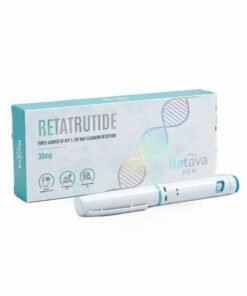

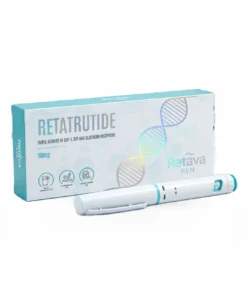
Retatrutide
Mechanical Distinction: How the Triple Agonist Targets Metabolic Pathways
At a molecular level, retatrutide is a structurally altered peptide backbone containing 39 amino acids. It is modified with a custom fatty acid side chain that allows it to bind to albumin in the bloodstream, extending its half-life significantly and allowing for a convenient once-weekly administration schedule.
The unique chemical structure allows the single peptide sequence to achieve varying degrees of potency across its three target receptors:
-
The GIP Component: Retatrutide exhibits high structural potency at the human GIP receptor, ensuring robust insulinotropic support and protection against fat accumulation in non-adipose tissues.
-
The GLP-1 Component: It maintains balanced activation at the GLP-1 receptor, providing consistent, steady appetite suppression without overloading the nervous system, which helps reduce severe gastrointestinal distress.
-
The Glucagon Component: Its binding affinity at the glucagon receptor is precisely calibrated to stimulate liver fat clearance and elevate baseline caloric burn rates without triggering unwanted spike patterns in plasma glucose levels.
This balanced configuration ensures that the glucagon component’s tendency to release glucose into the blood is immediately countered by the insulin-sensitizing actions of the co-activated GIP and GLP-1 arms. The result is a highly controlled metabolic environment optimized for systemic fat oxidation.

Historical Data Milestones of Retatrutide
The initial validation of retatrutide’s triple-agonist design came during its Phase 2 clinical program, the results of which were published in prominent international medical journals between mid-2023 and early 2024. These trials were critical for establishing early human safety profiles and determining optimal escalation pathways.
In the core 48-week Phase 2 obesity trial, researchers observed a clear dose-dependent reduction in body weight. Participants assigned to the highest weekly cohort (12 mg) achieved an astonishing 24.2% average body weight loss at the conclusion of the treatment window. This was the first time an investigational anti-obesity compound crossed the 20% weight loss threshold within a 12-month period, establishing a significant gap over historical benchmarks.
Simultaneously, a key 24-week and 48-week substudy published in Nature Medicine focused specifically on participants with Metabolically Dysregulated Steatotic Liver Disease (MASLD). The results were unprecedented:
-
By week 24, the high-dose retatrutide cohort experienced an 82.4% relative reduction in liver fat content.
-
By week 48, the average liver fat reduction reached 86.0%, with 93% of participants completely clearing their liver fat below the clinical threshold of 5%.
These foundational findings proved that retatrutide was not merely a tool for weight reduction, but a profound therapeutic option for reversing deep visceral adiposity and treating complex metabolic liver disease. For further reading on the design of these initial trials, researchers can consult the landmark clinical breakdowns indexed on the official New England Journal of Medicine portal.
Why choose retatrutide
Choosing retatrutide boils down to one simple concept: it represents a significant evolutionary leap in how science approaches weight management and metabolic health.
While first-generation drugs like Wegovy (semaglutide) mimic one hormone and second-generation drugs like Zepbound (tirzepatide) mimic two, retatrutide is a triple-receptor agonist (targeting GLP-1, GIP, and glucagon).
The distinct clinical data and biochemical features reveal exactly why researchers and medical professionals view it as a massive step forward:
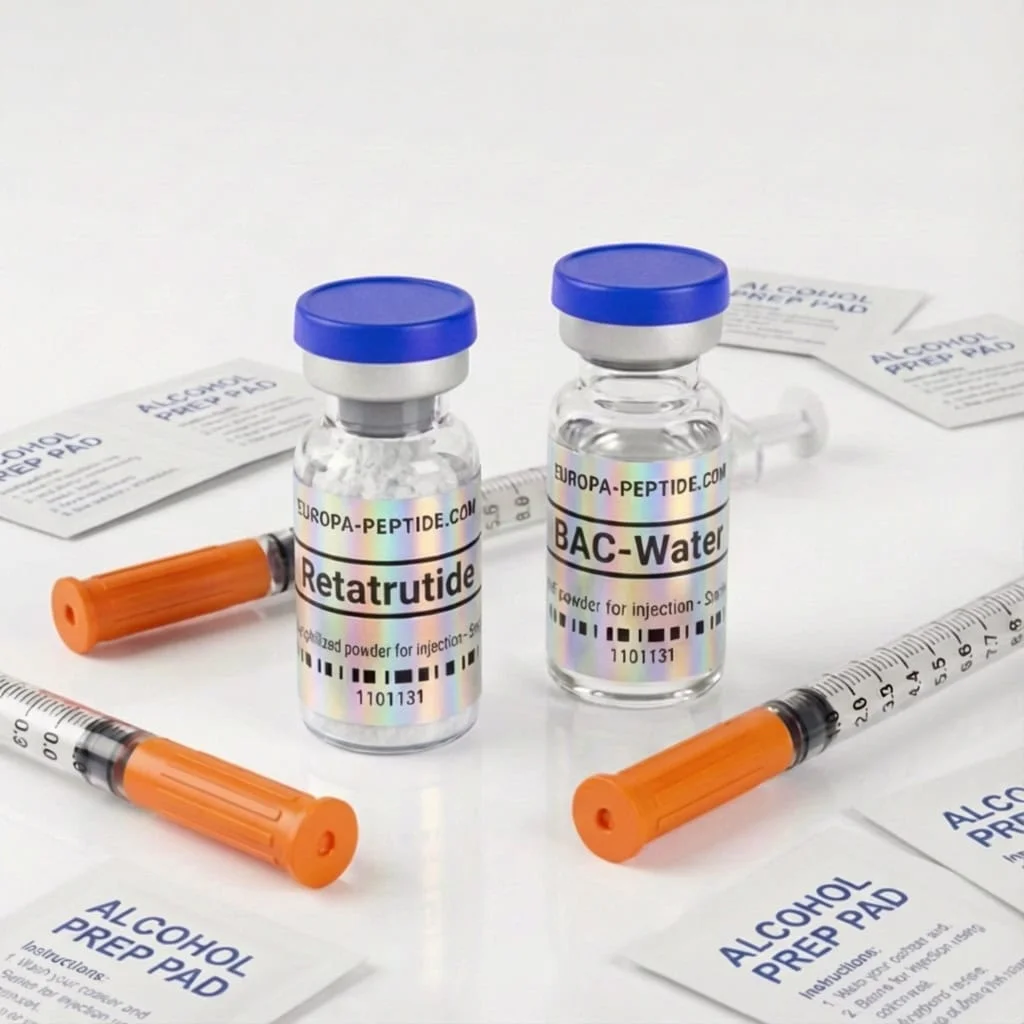
Why retatrutide is more than just a peptide
To understand why retatrutide is making such massive waves in the medical community, you have to look past the literal definition of the word “peptide.”
Structurally, yes, it is a chain of 39 amino acids synthesized in a laboratory. But calling retatrutide just a peptide is like calling a smartphone just a telephone. It minimizes a profound technological shift.
Retatrutide is an entirely new class of biological engineering: a multi-receptor hormone mimetic that shifts medicine away from simple appetite suppression and toward comprehensive systemic metabolism reprogramming.
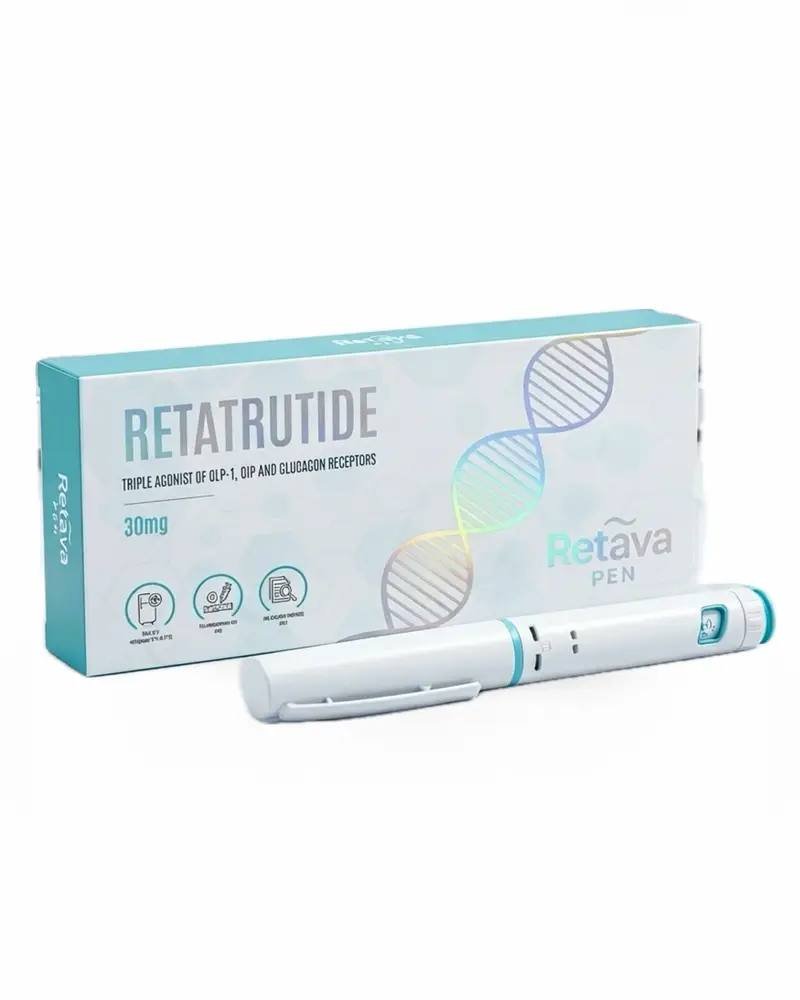
Retatrutide 30mg
In the rapidly moving world of metabolic research, retatrutide is a major breakthrough. As a third-generation “triple agonist” peptide, it acts on three metabolic hormone pathways: GIP, GLP-1, and glucagon.
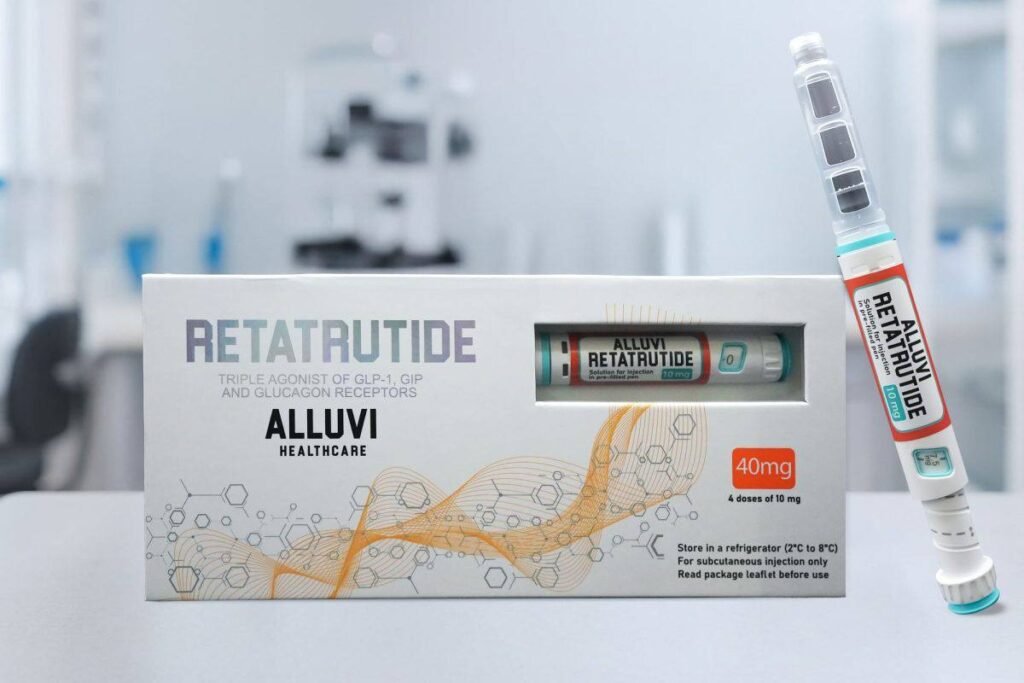
When researchers and clinical observers see references to retatrutide 30mg, it is important to look at the phrasing carefully. In medical trials, the absolute maximum weekly dose evaluated for human use is 12mg. Therefore, a 30mg specification does not represent a single weekly dose. Instead, it refers to a multi-dose vial or pre-filled injection pen containing 30mg of total active peptide fluid, designed to cover multiple weeks of a step-by-step titration schedule.
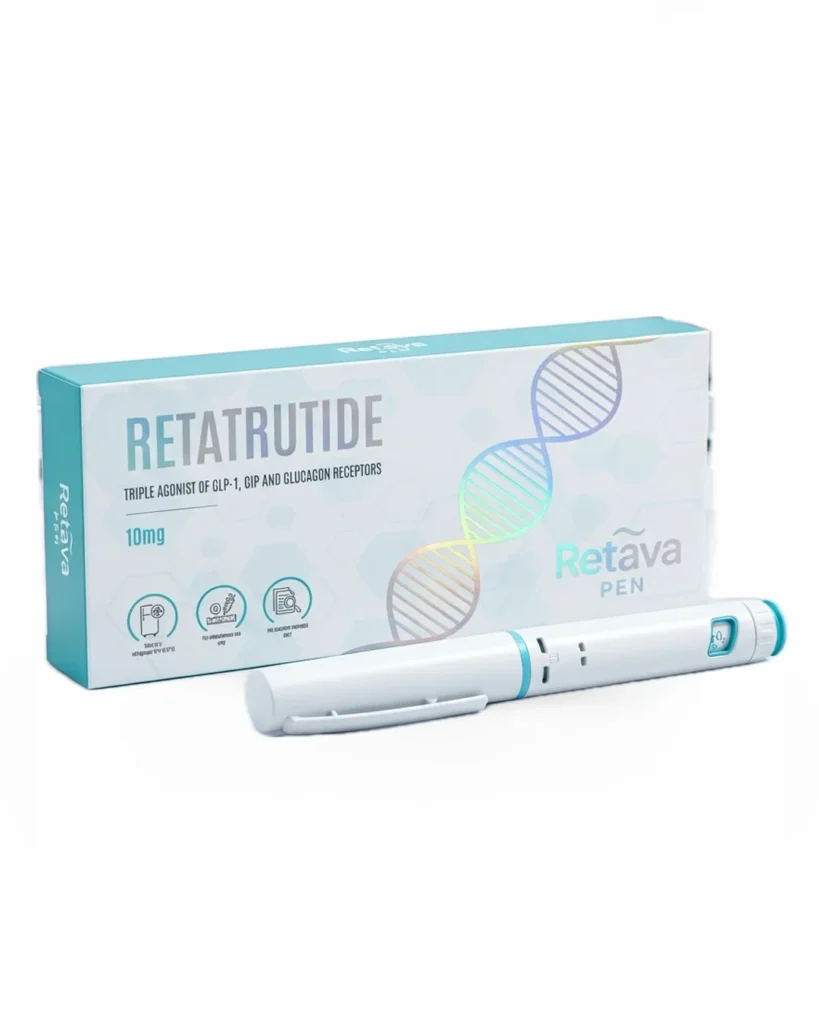
Retatrutide 10mg
The pace of progress in modern metabolic medicine is moving incredibly fast, and at the absolute center of the conversation is retatrutide. Developed as an investigational “triple agonist” molecule, the retatrutide peptide simultaneously targets three separate hormone receptor pathways: GLP-1, GIP, and glucagon. This multi-layered architecture has allowed it to shatter historical benchmarks for weight reduction, lipid regulation, and liver fat clearance during late-stage clinical programs.
For biochemists, medical bio-analysts, and clinical researchers tracking this field, references to retatrutide 10mg represent a core operational standard. Because clinical protocols utilize a step-by-step titration starting as low as 2.0mg per week to allow the body to adjust to triple receptor activation, a 10mg configuration does not serve as a single weekly dose. Instead, it is the standard total mass format for a lyophilized (freeze-dried) research vial, acting as a consolidated, multi-dose reservoir.
Retatrutide dosage
The landscape of metabolic medicine is shifting rapidly, and retatrutide is at the forefront of this evolution. Developed by Eli Lilly, this investigational peptide is the first “triple agonist” of its kind, simultaneously targeting three distinct metabolic receptors: GLP-1 (glucagon-like peptide-1), GIP (glucose-dependent insulinotropic polypeptide), and glucagon.
Data from the Phase 3 TRIUMPH clinical trials show that retatrutide can deliver body-weight reductions of 24% to 30% over extended treatment windows. Because it acts on multiple pathways to regulate appetite, slow digestion, and increase energy expenditure, managing the dosage requires a highly structured approach to maximize efficacy while keeping side effects manageable.
Retatrutide dosing
Retatrutide is an investigational triple-hormone receptor agonist that marks a significant evolution in metabolic medicine. By targeting three distinct pathways—glucagon-like peptide-1 (GLP-1), glucose-dependent insulinotropic polypeptide (GIP), and glucagon receptors—it acts with greater potency than older single or dual-agonist therapies.
Because of this intense multi-receptor activity, a highly structured, gradual escalation protocol is required to ensure patient safety and tolerability

Where to Buy Retatrutide
For researchers, clinicians, and analytical observers tracking these breakthroughs, understanding the chronological trajectory, biochemical design, and practical availability of this molecule is vital. This analysis provides an exhaustive breakdown of the current clinical landscape, regional developments across Europe, precise operational protocols, and safe acquisition avenues through verified platforms like retaclinical.com.
Retatrutide side effects
Because retatrutide targets three separate hormone receptors (GIP, GLP-1, and glucagon), its impact on the body is highly dynamic. Data from major clinical trials—including the TRIUMPH and TRANSCEND study series—indicate that while its weight-reduction and blood sugar outcomes are substantial, its side effect profile requires careful management.
Most reported side effects are dose-dependent, meaning they are more pronounced as the amount of active compound increases and typically improve over time as the body adapts.
Most Common Side Effects (Gastrointestinal)
Like existing dual-agonist therapies, the vast majority of adverse events involve the digestive system. These symptoms occur because the compound slows gastric emptying (the speed at which food leaves the stomach).
-
Nausea: The most frequently cited issue, affecting roughly 40% to 60% of participants on the highest therapeutic doses (12mg). It is most intense during the initial initiation and dose-escalation phases.
-
Diarrhea & Vomiting: Reported by 15% to 32% of trial participants on higher doses. Persistent vomiting carries a secondary risk of dehydration if fluids are not actively replaced.
-
Constipation: Affects up to 26% of individuals due to decreased intestinal motility (the slowing down of the digestive tract).
-
Decreased Appetite: While this is a primary mechanism for weight management, a dramatic reduction in caloric intake can occasionally lead to mild fatigue or lightheadedness.
-
 RETAVA PEN – RETATRUTIDE 30MG
€340.00
RETAVA PEN – RETATRUTIDE 30MG
€340.00 -
 Retatrutide – Bundle
€125.00
Retatrutide – Bundle
€125.00 -
 RETAVA PEN – Retatrutide 10mg
€180.00
RETAVA PEN – Retatrutide 10mg
€180.00 -
 Retatrutide
Price range: €49.00 through €440.00
Retatrutide
Price range: €49.00 through €440.00